
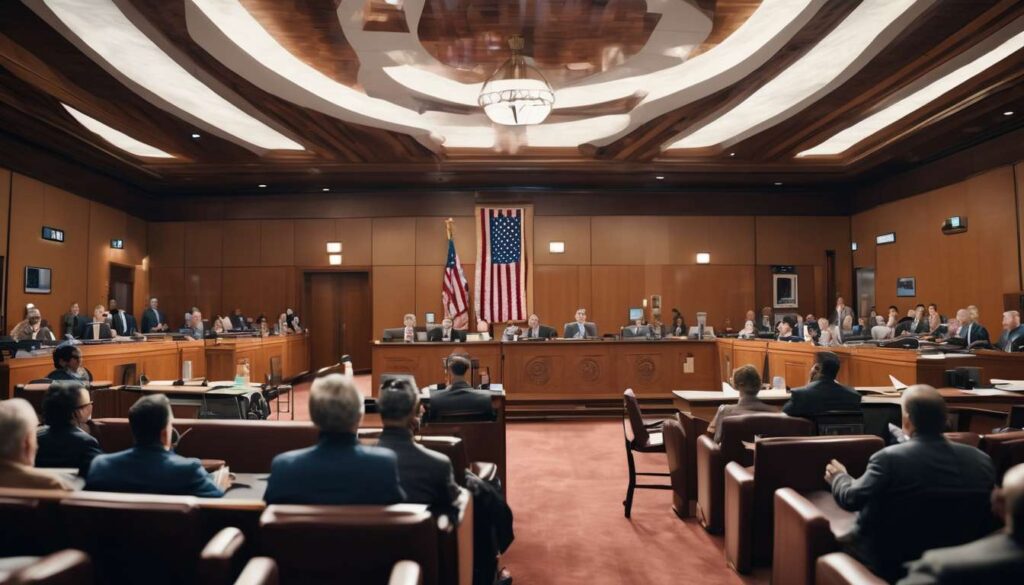
Hardly any other policy debate has forced us to weigh privacy against protection as starkly as the hearings on adult content platform duties.
Platforms have dual capacities.
- They can empower creators, preserve consensual expression, and generate livelihoods.
- They can also enable exploitation, nonconsensual distribution, and harm vulnerable users.
Legislators and advocates are pushing for clearer standards.
- As legislators question CEOs and advocates press for change, we balance free expression, economic realities, and the public interest.
Our task is to parse several interlocking issues without defaulting to panic or blanket deregulation.
- We must examine technical moderation limits, contractual responsibilities, and the scope of legal liability.
Key policy tools intersect with civil liberties and market incentives.
- Age verification
- Notice-and-takedown procedures
- Transparency reports
- Revenue-sharing models
We will trace proposals, evaluate impacts, and consider which regulatory mixes best deter abuse while respecting agency.
This examination is urgent, complex, and consequential.
Legislative Hearing Overview
Scope, purpose, and participants of the hearing
We framed the hearing to clarify how content moderation, age verification, and platform liability intersect.
We invited lawmakers, platform representatives, child protection advocates, and technologists to speak.
We emphasized shared responsibility and acknowledged that everyone present wants safer, fairer online spaces where people feel seen and supported.
What we heard
We listened as proponents detailed enforcement challenges.
Developers explained technical limits and the feasibility of proposed solutions.
Advocates highlighted harms from inadequate safeguards, describing concrete risks to vulnerable users.
Issues probed
We probed the trade-offs between privacy and verification.
We sought concrete timelines for pilot programs.
We asked platforms about transparency in takedown processes.
Community input
We made space for community voices to describe lived experiences, reinforcing belonging and mutual accountability.
Outcomes and next steps
We left the session with clearer definitions and a list of evidence-based priorities.
Participants committed to follow-up meetings to refine standards and metrics, ensuring our collaborative approach drives practical improvements without sidelining vulnerable users.
Platform Responsibilities
We outline specific duties for platforms that cover detection, mitigation, transparency, and accountability so stakeholders know who must act and how.
We expect robust content moderation systems that combine human review and automated tools, tuned to reduce harm while respecting users’ dignity.
Key elements:
- Human moderators trained in context and harm reduction.
- Automated detection calibrated to minimize false positives and bias.
- Hybrid workflows that escalate ambiguous or high-risk content to humans.
We want clear age verification procedures that balance effectiveness with privacy, so communities can trust that minors are protected without exclusion.
Considerations:
- Privacy-preserving age checks (e.g., zero-knowledge proofs, minimal data retention).
- Alternatives and accommodations to avoid excluding marginalized users.
- Regular audits to ensure accuracy and fairness.
We insist platforms clarify their policies, enforcement metrics, and appeals processes; transparency builds belonging by letting creators and viewers see rules applied fairly.
Transparency measures:
- Public, machine-readable policies and examples of violative content.
- Published enforcement metrics (removals, demotions, appeals outcomes).
- Clear, accessible appeals and remediation procedures.
We hold platforms to account through enforceable obligations: timely removal of violative material, documented incident response, and cooperation with regulators where appropriate.
Accountability actions:
- Timely takedown and remediation timelines for harmful content.
- Incident logs and documentation for regulator review.
- Mechanisms for regulator cooperation while respecting due process and privacy.
We encourage shared standards and industry collaboration, so smaller services aren’t left behind.
Collaboration approaches:
- Interoperable tools and shared threat/indicator feeds.
- Common safety standards and certification pathways.
- Resource-sharing partnerships and technical assistance programs.
We commit to ongoing evaluation and community input, so responsibilities evolve with technologies and needs.
Ongoing practices:
- Periodic third-party audits and impact assessments.
- Community advisory panels and public consultations.
- Iterative policy updates informed by evidence and lived experience.
By naming these duties plainly, we create a practical roadmap for platforms, lawmakers, and users to work together toward safer, more inclusive spaces.
Consent and Nonconsensual Content
We require platforms to prevent, swiftly remove, and remediate nonconsensual sexual material while giving survivors clear reporting, takedown, and redress options.
Everyone deserves dignity and safety online. We push platforms to adopt robust content-moderation systems that center survivor needs, use transparent procedures, and deliver prompt action.
Reporting flows must be simple, supportive, and safe.
- Survivors and community members should be able to report without fear.
- Reporting interfaces should use clear language and offer immediate guidance.
- Support options (hotlines, counseling referrals, legal information) should be clearly visible during and after the report.
Platforms must be accountable when systems fail.
- Companies should answer for failures to block or remove abusive material.
- Platforms should fund remediation and support services for survivors.
- Decisions should be documented and appeal paths provided so people feel heard.
Our focus is on consent and removing harm swiftly.
- While technical measures (e.g., age verification) matter elsewhere, here the priority is preventing and removing nonconsensual sexual content.
- We call for cross-stakeholder standards and survivor-informed policies.
Transparency and oversight are essential.
- Regular audits of platform practices and outcomes.
- Public reporting on takedown metrics and appeals.
- Independent review mechanisms to evaluate compliance.
Together, we can build online spaces where people belong and are protected from the trauma of nonconsensual content.
Age Verification Challenges
Many adults and minors use the same services, so we need reliable, privacy-preserving methods to confirm ages without exposing users to surveillance or exclusion.
Age verification must balance safety and inclusion: we want systems that protect young people while keeping adults connected without onerous barriers. In hearings, stakeholders stressed that content moderation can’t be an afterthought—verification gaps increase platform liability and harm community trust.
We favor approaches that minimize data retention and rely on privacy-preserving technologies:
- Decentralized attestations (so no central database of verified ages)
- Cryptographic proofs (for example, zero-knowledge proofs that confirm age without revealing identity)
- Accessible fallback routes for marginalized users who lack standard identity documents
We call for clear regulatory standards that allocate responsibility fairly: oversight should focus on outcomes (safety, privacy, non-discrimination) rather than prescribing intrusive techniques.
As a community, we commit to providing platforms with lawful, transparent tools and accountability measures that reduce exploitation while maintaining dignity for all users.
We expect lawmakers to craft rules that balance privacy, equity, and enforceability to restore confidence in online spaces.
Moderation Technologies
We should evaluate moderation technologies by three core criteria: effectiveness at detecting harm, preservation of user rights, and the ability to scale without centralizing sensitive data.
We want tools that combine automated content moderation with human review so community members feel both heard and protected.
We’ll prioritize systems that minimize false positives and respect privacy.
- Use on-device processing where feasible.
- Employ privacy-preserving matching (for example, hashed or secure-lookup approaches) when local signals must be compared to known-bad patterns.
We’ll insist that age verification integrates with moderation workflows without exposing identities.
- Provide trusted assurance of age while preserving dignity and anonymity.
- Use minimal disclosure methods (e.g., attestations, zero-knowledge proofs) rather than sharing identifying data.
We’ll favor transparency around moderation decisions.
- Provide clear appeals processes for users.
- Use explainable algorithms so affected users and moderators can understand why actions were taken.
- Maintain audit logs that let users and regulators review decisions.
We’ll push for interoperable standards so smaller sites can adopt robust controls without ceding control of user data to a few vendors.
- Promote common APIs, data formats, and privacy-preserving protocols.
- Encourage federation and decentralized options where appropriate.
We’re mindful of costs and operational burden, so we’ll support shared toolkits and open-source components.
- Reduce barriers to responsible practice by pooling engineering, policy, and legal resources.
- Encourage community-driven libraries and reference implementations.
By centering collective safety, accountability, and equitable access, we’ll develop moderation technologies that protect communities and responsibly address concerns about platform liability.
Liability and Legal Tests
Scope and purpose
We’ll evaluate legal standards and liability frameworks that determine when platforms are responsible for harmful adult content and what tests courts and regulators use to assign fault.
Statutory shields and intermediary protections
We consider statutory shields, like safe-harbor provisions, and how courts interpret intermediary protections versus direct liability.
Content moderation and transparency
We’ll examine whether a platform’s content moderation practices and transparency about enforcement affect findings of platform liability, and how negligence or knowledge standards are applied when harmful material slips through.
Role of age verification
We also assess the role of age verification: when weak verification is foreseeable, regulators may treat platforms as failing a duty of care.
Liability standards compared
We look at strict-liability proposals, negligence tests, and intent-based standards, comparing their burdens on platforms and protections for users.
Analytic criteria
Our approach centers on clear criteria — foreseeability, control, commercialization of content, and remedial action — so communities can see how rules will protect vulnerable members without excluding responsible participants.
Policy goals
We’ll emphasize predictable, equitable tests that balance safety and fair process for everyone involved.
Economic and Creator Impacts
We’ll examine how regulation and liability rules affect creators’ incomes, business models, and the broader adult-content economy.
When platforms tighten content moderation or add age verification, revenue streams shift. Creators can face deplatforming or reduced reach, which forces them to diversify income — for example:
- subscriptions
- direct tipping
- partnerships—or to leave the space altogether.
Platform liability debates shape investment and platform features, often leading companies to over-censor to avoid risk.
- Over-censorship creates compliance costs that are passed to creators or reduce monetizable visibility.
- Companies may remove content preemptively, shrinking discoverability and ad or affiliate revenue.
Age verification has trade-offs: it can protect minors but also raises privacy concerns and onboarding friction.
- Increased friction shrinks audiences and increases churn.
- Privacy burdens can deter users from registering or transacting.
These dynamics reshape bargaining power within the ecosystem.
- Larger studios and platforms absorb compliance burdens more easily than independent creators.
- This differential capacity widens inequality in revenue and market access.
We want policies that sustain creators’ livelihoods and community belonging while recognizing safety and legal duties.
- Understanding the economic effects of regulation helps advocate for balanced approaches that keep the ecosystem viable.
Policy Recommendations
We recommend a mix of targeted safeguards, clear liability standards, and support measures that protect users while preserving creators’ livelihoods.
Practical steps we propose:
-
Require robust age verification that respects privacy.
- Support privacy-preserving techniques (e.g., credentialed attestations) to confirm age without harvesting sensitive personal data.
- Ensure age checks are proportionate and minimize data retention.
-
Fund transparent content moderation tools.
- Provide grants or tax incentives to help smaller platforms implement moderation and compliance technology.
- Prevent market consolidation by lowering the cost barrier for emerging platforms, preserving diverse creator ecosystems.
-
Define platform liability to incentivize timely removal of illegal material without silencing lawful creators.
- Establish clear liability standards that encourage prompt action on illegal content while protecting lawful expression.
We’ll back community-led policy development so creators and users who want belonging have a voice in rulemaking.
Standards and accountability measures we’ll push for:
- Standardized notice-and-takedown procedures.
- Independent appeals processes for moderation decisions.
- Regular transparency reports showing moderation outcomes and age verification efficacy.
Support measures to preserve privacy and economic sustainability:
- Promote privacy-preserving age verification (credentialed attestations, minimal-data checks).
- Offer financial support (grants, tax incentives) to smaller platforms to implement compliance tools and avoid consolidation.
Together, these measures balance safety, fairness, and economic sustainability.
Key outcomes sought:
- Clearer platform liability.
- Accountable, transparent content moderation.
- Workable, privacy-preserving age verification that protects communities without excluding contributors.
How do international laws and cross-border enforcement affect platforms hosting adult content when users, creators, and servers are in different countries?
Problem: When users, creators, and servers are in different countries, organizations face overlapping laws, conflicting obligations, and uneven enforcement.
Approach — apply the strictest rules:
- Coordinate compliance with the strictest applicable laws across jurisdictions.
- Use geo-blocking where necessary to limit access in regions with conflicting obligations.
Enforcement & procedures:
- Maintain clear takedown procedures for cross-border content issues.
- Build transparent reporting mechanisms so users understand actions taken and why.
Risk management:
- Pursue contractual protections with creators (terms, warranties, indemnities).
- Rely on legal counsel, mutual legal assistance treaties (MLATs), and platform policies to manage legal risk.
Principle:
- Emphasize transparency and trust so that belonging includes confidence that rights and safety are being protected across borders.
What accommodations or protections are being considered for sex workers whose livelihoods depend on adult platforms if stricter regulations reduce their income?
We are advocating immediate financial safety nets to prevent destitution if stricter rules cut sex workers’ income.
- Emergency funds that can be quickly accessed for rent, food, and healthcare.
- Rapid-access grants or hardship payments targeted at lost earnings.
- Basic-income pilots or temporary universal payments to provide predictable short-term support.
We support legal and policy changes to protect rights and access to services.
- Decriminalization of consensual sex work to reduce harm and barriers to justice.
- Legal aid and representation to help workers navigate enforcement actions and discriminatory practices.
- Extension of labor rights and protections (wage protections, workplace safety) where appropriate.
- Guaranteed access to social benefits and services (healthcare, housing supports, unemployment-style relief).
We recommend platform and marketplace safeguards to reduce sudden income shocks and improve safety.
- Escrowed payment models so workers receive payment for completed work even if platforms change terms.
- Verified-age and safety-focused features that balance reducing exploitation with protecting workers’ livelihoods.
- Transparent notice periods and appeals processes before platforms enact restrictive policy changes.
We emphasize community-led, harm-reduction, and economic-resilience measures.
- Peer-run safety networks and hotlines for immediate support and mutual aid.
- Retraining programs, income diversification, and supported transitions for workers who choose or are forced to change sectors.
- Mental-health supports and community services to preserve agency and social connections during policy shifts.
Overall objective: ensure that policy changes do not strip workers of community, agency, or economic stability by combining emergency financial measures, legal protections, platform remediation, and peer-led supports.
How might proposed regulations influence the development and availability of privacy-enhancing features (like anonymous tipping or encrypted messaging) on adult platforms?
We think proposed regulations could push platforms to prioritize privacy tools to protect creators and users, or conversely limit them if compliance burdens are high.
We’ll push for anonymous tipping, encrypted messaging, and strong data minimization when regulations permit.
We’ll advocate that policy include clear safety carve-outs so platforms can build privacy-first features without risking penalties, ensuring community members can work and connect securely.
Conclusion
You’ve seen lawmakers press platforms on responsibilities around adult content, from preventing nonconsensual material to verifying age.
Platforms should balance safety with creators’ livelihoods.
- Use better moderation technology to identify and remove harmful content quickly.
- Develop clearer liability rules so platforms, creators, and users understand responsibilities and legal exposure.
Legal tests should be practical and protective.
- Protect victims of nonconsensual content without chilling legitimate expression.
- Ensure standards for takedowns and prosecutions are transparent and narrowly tailored.
Age verification must be realistic and privacy-respecting.
- Implement methods that reliably verify age while minimizing collection of sensitive personal data.
- Favor privacy-preserving techniques (e.g., tokenized or third-party verification) over invasive identity collection.
Provide economic supports for compliant creators.
- Offer pathways (financial incentives, certification programs, or reduced friction) for creators who follow safety and verification rules.
- Avoid policies that disproportionately harm creators’ livelihoods without clear safety gains.
Going forward, push for measured policies that make online adult spaces safer and fair.
- Advocate for balanced approaches combining technology, law, and economic measures.
- Promote stakeholder collaboration (platforms, creators, lawmakers, civil society) to refine rules that protect users while preserving expression and income.